
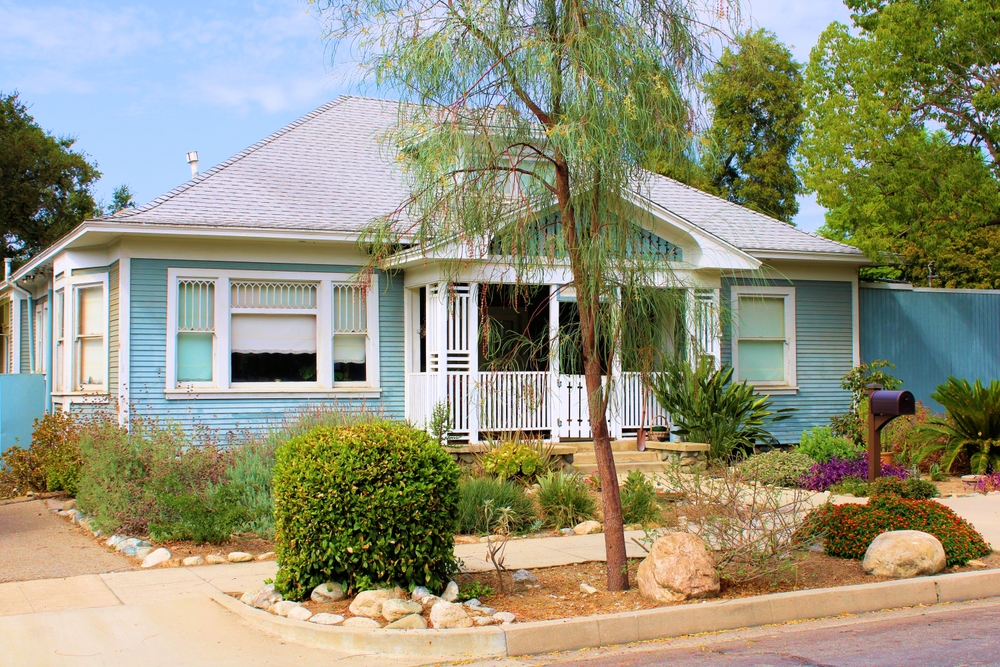
The Repairs and Maintenance Clause: Owner and Tenant Duties
In California, the landlord must keep a rental fit to live in and repair conditions that make it untenantable (Civil Code §§ 1941 and 1941.1), and a lease cannot waive that duty except in two narrow ways (Civil Code § 1942.1). The tenant has duties too: keeping the unit clean and sanitary, disposing of trash properly, using fixtures properly and not damaging the property (Civil Code § 1941.2). A good repairs clause restates that split in plain words, assigns everyday tasks such as yard care, and says exactly how to request a repair.
The short version
- The landlord's habitability duties come from § 1941 and the § 1941.1 list: weatherproofing, plumbing and gas, hot and cold water, heat, electrical, clean grounds free of vermin, trash receptacles, and floors, stairs and railings.
- For leases entered into, amended or extended on or after January 1, 2026, the list includes a working stove and refrigerator, with a narrow refrigerator opt-out (§ 1941.1(a)(10), (11)).
- The tenant's duties are in § 1941.2. If a tenant's substantial violation contributes substantially to a problem, the landlord's repair duty under §§ 1941 and 1942 does not arise for it.
- A tenant may agree to repair or maintain all or part of the unit as part of the consideration for rent; otherwise a waiver of habitability rights is void (§ 1942.1).
- Repairs need entry. Written notice with 24 hours presumed reasonable is the usual rule (Civil Code § 1954).
- The tenant must report an inoperable smoke alarm, carbon monoxide device, deadbolt or window lock so the owner can fix it.
What the clause should cover
| Item | What to include | Why |
|---|---|---|
| Landlord's duties | A plain statement that the owner maintains the items in § 1941.1 | The duty exists whatever the lease says |
| Tenant's duties | The five § 1941.2 duties in everyday words | Sets expectations and supports later deductions for damage |
| How to report | Where to send repair requests, in writing, with an emergency contact | Creates a dated record and speeds repairs |
| Entry for repairs | That entry follows § 1954 notice rules | Avoids access disputes |
| Yard and landscaping | Who waters, mows and trims, and what equipment is provided | Avoids gaps in house rentals |
| Small items | Light bulbs, filters, batteries, drain clogs caused by the tenant | Reduces arguments over minor tasks |
| Appliances | Which appliances the owner provides and maintains | § 1941.1 stove and refrigerator rules for 2026 leases |
| Refrigerator opt-out | The statutory checkbox statement, if the tenant brings their own | Required for the opt-out to work |
| Alarms and locks | The tenant's duty to report inoperable alarms, deadbolts and window locks | Health and Safety Code §§ 13113.7, 17926.1; Civil Code § 1941.3 |
| Damage | That tenant-caused damage beyond ordinary wear and tear is the tenant's cost | Ties to deposit deductions under § 1950.5 |
Who does what
The landlord
Under § 1941, the landlord must put the building into a condition fit for occupation and repair later dilapidations that make it untenantable. Section 1941.1 lists what a habitable unit has. The habitability and repairs page covers the full list, the repair-and-deduct remedy and the rent ban on cited units.
The 2026 appliance rule (AB 628) applies only to leases entered into, amended or extended on or after January 1, 2026. It requires a stove in good working order and a refrigerator in good working order. A recalled appliance does not qualify, and a recalled stove or refrigerator must be repaired or replaced within 30 days of receiving notice of the recall (§ 1941.1(c)). There is no opt-out for the stove.
The refrigerator opt-out works only if all three are true:
- the lease contains a statement in substantially the statutory form, with a box the tenant checks, acknowledging that the tenant asked to bring their own refrigerator and is responsible for keeping it in working order;
- the lease lets the tenant, on 30 days' written notice, ask the landlord to install a working refrigerator; and
- the landlord does not make the tenant supplying a refrigerator a condition of the tenancy.
The tenant
Section 1941.2 lists the tenant's duties:
- keep the part of the premises the tenant occupies and uses clean and sanitary as the condition permits;
- dispose of all rubbish, garbage and other waste in a clean and sanitary manner;
- properly use and operate all electrical, gas and plumbing fixtures and keep them as clean and sanitary as their condition permits;
- not willfully or wantonly destroy, deface, damage, impair or remove any part of the property, or let anyone on the premises with the tenant's permission do so;
- occupy the premises as an abode, using rooms only for their intended purposes.
Duties (1) and (2) do not apply if the landlord has expressly agreed in writing to perform them (§ 1941.2(b)). If the lease includes cleaning or trash service, say so plainly.
Agreed repair duties and yard care
Section 1942.1 makes most waivers of habitability rights void, with two exceptions: the tenant may agree to repair or maintain all or part of the dwelling as part of the consideration for rent, and a written agreement may provide for arbitration of untenantability disputes. Yard care is a common agreed task in house rentals. If the tenant takes it on, describe the tasks, the standard, and who supplies tools and water. The § 1941.1(a)(6) duty to keep grounds clean and free of debris and vermin applies at the start of the lease and to areas under the landlord's control.
How repair requests should work
- The tenant reports in writing. Email or a portal message gives both sides a dated record. For an emergency, the clause should give a phone number as well.
- The owner responds and schedules. For entry, give written notice of the date, approximate time and purpose; 24 hours is presumed reasonable, and entry is during normal business hours unless the tenant consents at the time (§ 1954). Agreed repairs may be arranged orally within one week. No notice is needed in an emergency. See landlord entry.
- The work is done and recorded. Keep invoices, before and after photos, and the completion date.
- Both sides follow up. The tenant confirms the problem is fixed or reports that it is not.
Timing matters. If the landlord does not repair an untenantable condition within a reasonable time after notice, the tenant may repair and deduct the cost (up to one month's rent, no more than twice in 12 months) or vacate (Civil Code § 1942). A tenant who acts after the 30th day following notice is presumed, subject to rebuttal, to have waited a reasonable time. If the tenant is not behind on rent, a landlord who retaliates for a good-faith repair complaint may not raise rent, decrease services or recover possession within 180 days (Civil Code § 1942.5).
Alarms, locks and other reports
- Smoke alarms: the owner tests and maintains them and must ensure they work when a new tenancy starts. The tenant must tell the owner about an inoperable alarm (Health and Safety Code § 13113.7). See smoke and carbon monoxide alarms.
- Carbon monoxide devices: the owner maintains them; the tenant reports defects (Health and Safety Code § 17926.1).
- Deadbolts and window locks: the tenant must notify the owner of an inoperable deadbolt or window lock, and the landlord is liable only if it fails to correct the problem within a reasonable time after notice (Civil Code § 1941.3(b)).
Clause mistakes to avoid
- Shifting all repairs to the tenant in general terms. A habitability waiver is void unless it fits the § 1942.1 exceptions.
- Making a tenant-supplied refrigerator a condition of renting.
- Leaving yard care unassigned in a house rental.
- Allowing only phone requests, which leave no record.
- Promising entry rules that differ from § 1954.
- Charging the tenant for ordinary wear and tear. Deposit deductions are limited to damage beyond ordinary wear and tear (§ 1950.5).
For owners
Write the clause so a tenant can find the repair contact in seconds. Respond to every written request in writing, even if only to schedule. Record the condition of the unit at move-in with dated photos; the move-in and move-out checklist helps. Existing residential water heaters must be braced, anchored or strapped against earthquake motion (Health and Safety Code § 19211), so check it when you check the alarms.
For renters
Report problems in writing and keep copies. Do your part under § 1941.2, because a substantial violation that contributes to a problem can remove the landlord's duty to fix it. Tell the owner promptly about a dead smoke alarm or a broken lock, and get any yard care or other assigned tasks written down.
Local rules
Some cities add rules on top of state law, such as local just-cause, relocation or rental registration ordinances, so check your city's code. Coronado has no local rent-control or just-cause ordinance as of October 2026 (based on a review of its code's contents).
Frequently asked questions
Can a California lease make the tenant responsible for all repairs?
Not for habitability. Civil Code § 1942.1 voids a tenant's waiver of §§ 1941 and 1942 rights as to untenantable conditions. The exception is that a tenant may agree to repair or maintain all or part of the dwelling as part of the consideration for rent, so a lease can assign specific tasks.
Does a California landlord have to provide a refrigerator?
For leases entered into, amended or extended on or after January 1, 2026, yes, unless the tenant opts out at signing through the statutory checkbox statement in § 1941.1(a)(11)(B). The appliance rules do not apply to some housing types, such as single-room occupancy units and units with shared kitchens (§ 1941.1(b)). The lease must also let the tenant ask for a refrigerator on 30 days' written notice, and the landlord cannot require the tenant to supply one.
Who is responsible for yard maintenance in a California rental?
The lease should say who waters, mows and trims, and who supplies tools and water. The landlord's duty under § 1941.1(a)(6) covers clean grounds at the start of the lease and areas under the landlord's control, and a tenant may agree to maintain part of the property as part of the rent under § 1942.1.
How should a tenant request a repair?
In writing, to the contact named in the lease, describing the problem and when it started. The repair-and-deduct statute accepts written or oral notice (§ 1942), but a written request gives both sides a dated record of when notice was given. Call as well for an emergency.
Can a landlord enter to make repairs without notice?
Only in an emergency, when the tenant is present and consents, or after abandonment. Otherwise § 1954 requires reasonable written notice with the date, approximate time and purpose, and 24 hours is presumed reasonable.
This is general information, not legal advice. Laws change; confirm the current text and your situation with a California attorney.
McKee Properties manages rentals from its Coronado office; contact us with questions about your property.
Sources
- Civil Code § 1941 (opens in a new tab)
- Civil Code § 1941.1 (opens in a new tab)
- Civil Code § 1941.2 (opens in a new tab)
- Civil Code § 1942 (opens in a new tab)
- Civil Code § 1942.1 (opens in a new tab)
- Civil Code § 1942.5 (opens in a new tab)
- Civil Code § 1954 (opens in a new tab)
- Civil Code § 1941.3 (opens in a new tab)
- Health and Safety Code § 13113.7 (opens in a new tab)
- Health and Safety Code § 17926.1 (opens in a new tab)
- Health and Safety Code § 19211 (opens in a new tab)
Verified October 19, 2026.
Talk With a Local Property Expert
Ask your questions, get honest answers, and see if we’re the right fit — no commitment.
Schedule a Call

