
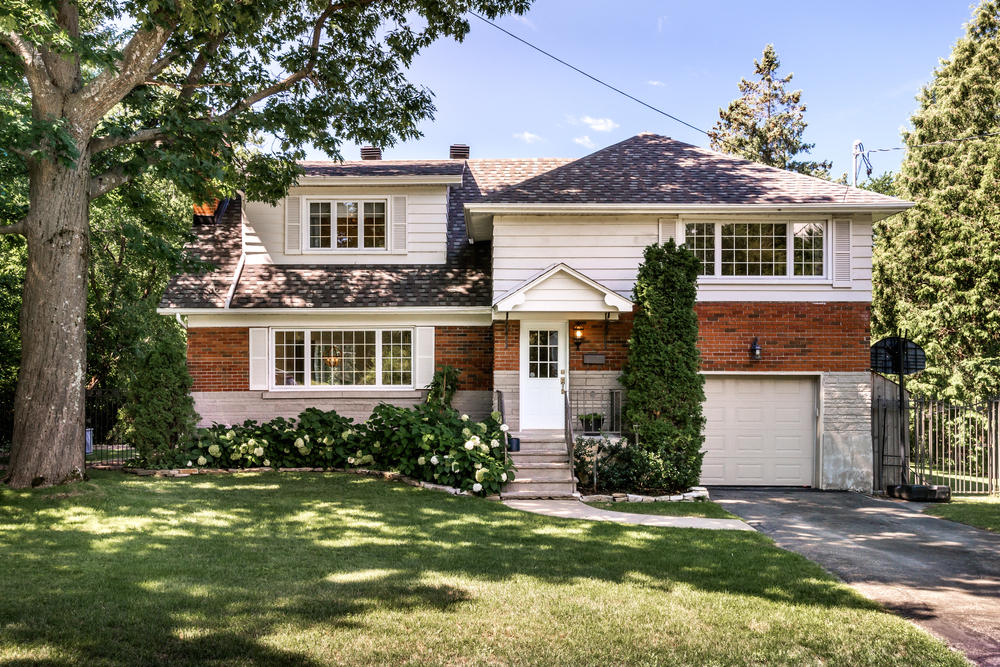
Substantial Remodel Terminations in California
Under Civil Code § 1946.2(b)(2)(D), an owner's intent to "substantially remodel" is a no-fault just cause to end a covered California tenancy, but only for permit-requiring work on a structural, electrical, plumbing or mechanical system, or abatement of hazardous materials such as lead-based paint, mold or asbestos, that cannot be done safely with the tenant living there and requires the tenant to leave for at least 30 consecutive days. Cosmetic work does not qualify. The notice must describe the work, include a copy of the permit (or, for permit-free hazardous-materials abatement, the signed contractor contract) and a statutory re-rental statement, and the owner must provide relocation assistance of one month's rent (§ 1946.2(d)).
The short version
- Qualifying work: replacing or substantially modifying a structural, electrical, plumbing or mechanical system that requires a government permit, or abating hazardous materials.
- The work must be unsafe to do with the tenant in place and require vacating for at least 30 consecutive days.
- Painting, decorating, minor repairs and other work that can be done safely with the tenant there do not qualify.
- The notice must include a copy of the permit (or, for permit-free hazardous-materials abatement, the signed contractor contract), the work's description and expected duration, and the re-rental statement.
- Relocation assistance is one month of the rent in effect when the notice was issued, paid within 15 calendar days of service, or a written waiver of the final month's rent.
- If the remodel is not started or not finished, the owner must offer the tenant the chance to re-rent at the prior rent and terms.
Does your project qualify?
Section 1946.2(b)(2)(D)(ii) and (iii) set the test. Use it as a checklist:
| Question | Qualifies if | Does not qualify if |
|---|---|---|
| What kind of work? | Replacement or substantial modification of a structural, electrical, plumbing or mechanical system that requires a permit from a government agency; or abatement of hazardous materials, including lead-based paint, mold or asbestos | The work is cosmetic: painting, decorating, minor repairs |
| Can the tenant stay? | The work cannot reasonably be done safely with the tenant living there | It can be performed safely without the home being vacated |
| How long? | The tenant must vacate for at least 30 consecutive days | It requires vacating for fewer than 30 consecutive days (and the tenant need not vacate on any day they could keep living there without violating health, safety and habitability codes) |
The permit requirement is part of the definition for system work, so have permits issued before you serve. Whether a project crosses the line is a fact question; get the contractor's written scope and timeline, and ask counsel if it is close.
Step by step
- Confirm the tenancy is covered. Just cause applies after 12 months of continuous, lawful occupancy, with a special rule when adult tenants are added, and some properties are exempt (§ 1946.2(a), (e)). See just-cause eviction.
- Define the work in writing. Get a scope of work and an expected duration from the contractor, showing why the tenant cannot stay and for how long.
- Obtain the permits. For permit-free hazardous-materials abatement, have a signed contract with the contractor that reasonably details the work.
- Check the timing. If the tenant recently asked for repairs or complained to a housing agency, the 180-day retaliation rule in Civil Code § 1942.5 may apply; a notice may still be served if it states the good-faith ground (§ 1942.5(g)). See retaliation rules.
- Write and serve the notice (contents below). For a month-to-month tenancy, Civil Code § 1946.1 requires 60 days' notice, or 30 days if the tenant has lived there less than a year; for a fixed-term lease that has not ended, ask counsel about timing. Use the notice period calculator and see termination notices for delivery rules.
- Pay relocation assistance within 15 calendar days of service, or give the written rent waiver.
- Keep the tenant's contact details. If the work is not started or finished, you owe an offer to re-rent.
What the notice must contain
Section 1946.2(b)(2)(D)(iv) lists four items:
| Item | What to include |
|---|---|
| (I) Intent | A statement of the owner's intent to demolish or substantially remodel |
| (II) Re-rental statement | The statutory statement, word for word (below) |
| (III) Work and documents | A description of the work and its approximate expected duration, with a copy of the permit or permits, or, only for permit-free hazardous-materials abatement, a copy of the signed contractor contract that reasonably details the work |
| (IV) Return contact | Notice that a tenant interested in reoccupying after the remodel must tell the owner and provide an address, telephone number and email address |
The re-rental statement required by § 1946.2(b)(2)(D)(iv)(II) reads: "If the substantial remodel of your unit or demolition of the property as described in this notice of termination is not commenced or completed, the owner must offer you the opportunity to re-rent your unit with a rental agreement containing the same terms as your most recent rental agreement with the owner at the rental rate that was in effect at the time you vacated. You must notify the owner within thirty (30) days of receipt of the offer to re-rent of your acceptance or rejection of the offer, and, if accepted, you must reoccupy the unit within thirty (30) days of notifying the owner of your acceptance of the offer."
The notice must also state the just cause (§ 1946.2(a)), tell the tenant about the right to relocation assistance (§ 1946.2(d)), and carry the abandoned-property paragraph required in § 1946.1 notices (§ 1946.1(h)). No fee may be charged for serving it (§ 1946.1(i)).
Relocation assistance
The owner chooses either a direct payment of one month of the rent in effect when the notice was issued, made within 15 calendar days of service, or a written waiver of the final month's rent before it is due (§ 1946.2(d)). If rent is waived, the notice must state the amount and that no rent is due for the final month. The statute says a failure to strictly comply voids the notice. It applies regardless of the tenant's income.
Remodel, withdrawal or repairs: know which one you mean
- Withdrawal from the rental market is a separate no-fault cause. Section 1946.2(b)(2)(B) says only "Withdrawal of the residential real property from the rental market." The Ellis Act (Government Code § 7060) bars public entities from compelling an owner to keep offering a property for rent. Its procedures are detailed and not covered here; ask counsel before relying on it.
- A government or court order to vacate is another cause. If an agency or court finds the tenant at fault for the condition behind the order, the tenant gets no relocation assistance (§ 1946.2(b)(2)(C)(ii)).
- Ordinary repairs are not a remodel. Habitability repairs are the owner's duty while the tenancy continues; see habitability and repairs. Mold abatement can qualify only if it meets the full test above; see mold in California rentals.
- After a declared disaster, Civil Code § 1941.8 requires the owner to remove disaster debris and mitigate hazards such as mold, smoke, ash, asbestos or water damage within a reasonable time. The tenancy remains in effect unless lawfully ended, and the tenant may return at the pre-disaster rent when it is safe.
- Water heater bracing. An owner may not evict anyone on the basis that eviction is needed to comply with the water heater bracing rule (Health and Safety Code § 19211(c)).
For owners
- Plan big system work for a vacancy if you can, which avoids a termination entirely. See the tenant turnover checklist.
- Keep the permit, contract, scope and schedule in one file with the notice and proof of payment.
- If the project stalls, make the re-rental offer promptly and in writing.
For renters
- Ask for the permit copy if it is missing; the notice must include it unless the work is permit-free hazardous-materials abatement with a signed contract attached.
- Read the description and duration. Cosmetic work, or work you could stay through, does not qualify.
- If you want to return, give the owner your address, phone number and email address in writing.
- If the remodel is not started or finished, you are entitled to an offer to re-rent at your prior rent and terms.
Local rules
Some cities add rules on top of state law, such as local just-cause, relocation or rental registration requirements, so check your city's code. Coronado has no local rent-control or just-cause ordinance as of October 2026, based on a review of its code's contents.
McKee Properties manages rentals from its Coronado office; contact us with questions about your property.
Frequently asked questions
Is a kitchen remodel a just cause to evict in California?
Only if it meets the statutory test: it must replace or substantially modify a structural, electrical, plumbing or mechanical system that requires a permit, be unsafe to do with the tenant in place, and require the tenant to vacate for at least 30 consecutive days. Painting, decorating and minor repairs alone are cosmetic and do not qualify (§ 1946.2(b)(2)(D)).
Does the owner need a permit before giving a remodel notice?
The notice must include a copy of the permit or permits for the work. The only exception is permit-free hazardous-materials abatement, where a copy of the signed contractor contract that reasonably details the work is used instead (§ 1946.2(b)(2)(D)(iv)(III)).
How much relocation assistance is owed for a substantial remodel?
One month of the rent in effect when the notice was issued, paid within 15 calendar days of service, or a written waiver of the final month's rent (§ 1946.2(d)). The notice must tell the tenant about this right.
Can the tenant move back in after the remodel?
The statute requires the notice to tell an interested tenant to give the owner contact details. If the remodel is not started or not completed, the owner must offer to re-rent at the same terms and the rent in effect when the tenant left; the tenant has 30 days to accept and, if accepting, 30 days to move back in.
Is removing mold a substantial remodel?
It can be. Abatement of hazardous materials, including mold, is within the definition, but only if it cannot be done safely with the tenant living there and requires vacating for at least 30 consecutive days.
This is general information, not legal advice. Laws change; confirm the current text and your situation with a California attorney.
Sources
- Civil Code § 1946.2 (opens in a new tab)
- Civil Code § 1946.1 (opens in a new tab)
- Civil Code § 1942.5 (opens in a new tab)
- Civil Code § 1941.8 (opens in a new tab)
- Government Code § 7060 (opens in a new tab)
- Health and Safety Code § 19211 (opens in a new tab)
Verified October 19, 2026.
Talk With a Local Property Expert
Ask your questions, get honest answers, and see if we’re the right fit — no commitment.
Schedule a Call

