
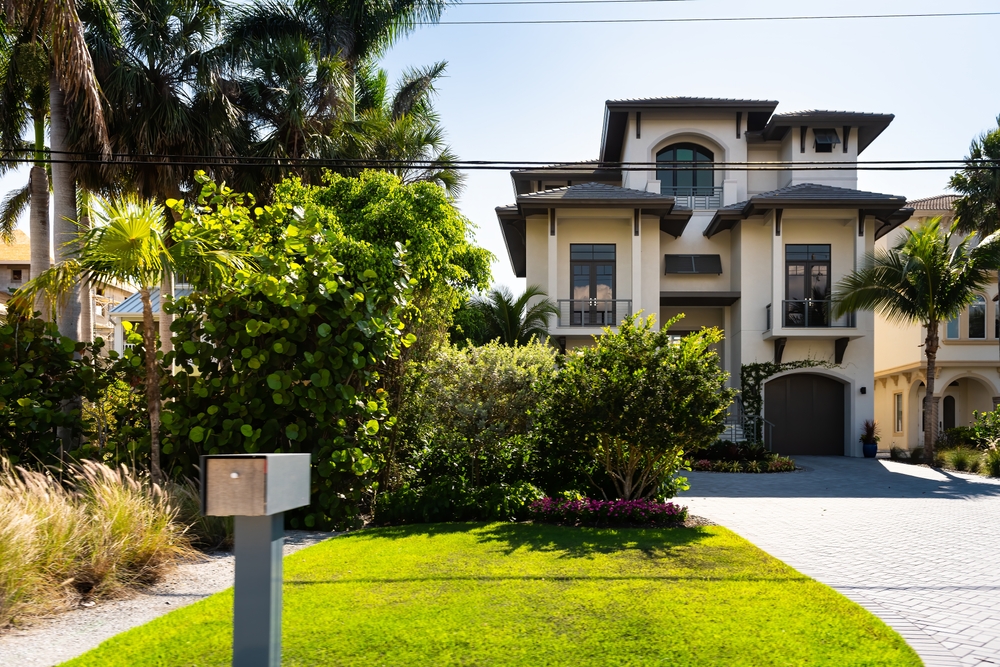
How BAH Works for Military Renters and Landlords
Basic Allowance for Housing (BAH) is paid to a service member who is entitled to basic pay, and under 37 U.S.C. § 403 the amount varies by pay grade, dependency status and the location of the duty station. It is not tied to the rent a member actually pays. For 2026, rates rose by an average of 4.2 percent, effective January 1, 2026, according to the Department of War's release.
The short version
- BAH is set by location, pay grade and dependency status (37 U.S.C. § 403(a)(1)).
- Rates are built from local median rents and average utility costs for each military housing area.
- The 2026 rates keep a member cost share of 5% of the national average housing cost, which the release puts at $93 to $212 a month depending on grade and dependency status.
- A member who keeps uninterrupted eligibility in the same area does not see the rate drop when local costs fall.
- DoD has said a member's actual housing costs may be higher or lower than BAH.
- In California, landlords may not discriminate based on military or veteran status or source of income (Gov. Code § 12955).
How the rate is set
The statute sets the frame. A member "who is entitled to basic pay is entitled to a basic allowance for housing," and the amount "will vary according to the pay grade... the dependency status of the member, and the geographic location of the member" (§ 403(a)(1)). Rates are prescribed "for the various military housing areas in the United States," based on "the costs of adequate housing for civilians with comparable income levels in the same area" (§ 403(b)).
The 2026 release adds how the numbers are built:
- Data. DoD "collects rental housing cost data annually for 299 military housing areas," using six housing profiles based on dwelling type and number of bedrooms.
- What is counted. "Median market rents and utilities such as electricity, heat, and water/sewer are included."
- Who is compared. Rates use "the housing choices of civilians with comparable incomes to each service member pay grade grouping," and are "calculated for each pay grade, both with and without dependents."
- Cost share. The local figure is reduced by a share of the national average cost. The statute caps that share at 5 percent for months after 2018 (§ 403(b)(3)), and the 2026 rates "continue the member cost-sharing element at five percent."
- Effective date. Rate changes take effect with the next basic pay increase (§ 403(b)(4)). For 2026 that was January 1.
The release estimates "$29.9 billion will be paid to approximately one million service members" in 2026. To look up a specific rate, use the official calculator from the Defense Travel Management Office. This page gives no local dollar figures, because rates vary by grade and housing area and should be read from the official source.
What BAH is and is not
| Question | Answer, and source |
|---|---|
| Does BAH change with my actual rent? | No. It is set by location, grade and dependency status (§ 403(a)(1)). |
| What is it built from? | Local median rents and average utilities (2026 release). |
| Will it go down if local rents fall? | Not while you keep uninterrupted eligibility in that area (§ 403(b)(6)). |
| Will it cover all my housing costs? | Not necessarily. DoD has said the allowance "is not designed to cover all housing costs for all members." |
| Is it taxable? | IRS Publication 3 (for 2025 returns) lists BAH among pay items excluded from gross income. |
| Can it be paid early? | The statute says it "may be paid in advance" (§ 403(a)(1)). |
Two points often get mixed up. First, BAH is an allowance paid to the member, not a payment a landlord receives. Second, recent DoD releases name rent and utilities as the inputs; they do not list renter's insurance, so do not assume your BAH was built to cover a renters policy.
The IRS adds a note for members who own: "You may still be able to deduct mortgage interest and real estate taxes on your home if you pay these expenses with your BAH" (Publication 3).
What changed for 2026
The FY2026 National Defense Authorization Act (Pub. L. 119-60, § 624) requires DoD to publish "a clear, accessible document that explains how rates of BAH are determined," updated at least annually, and provides for an outside study of BAH using local rental data. During the study, BAH continues to be paid at rates prescribed under § 403. In short, nothing about how BAH is paid has changed yet.
Renting with BAH: a budgeting order
- Find your rate on the official calculator for your new duty station, grade and dependency status.
- Price the full monthly cost of a home: rent, utilities the tenant pays, renters insurance and any parking or pet charges.
- Add move-in money. In California the security deposit is generally capped at one month's rent, on top of the first month's rent (Civil Code § 1950.5). Use the security deposit calculator.
- Compare, then decide. Your allowance and your rent are separate numbers. Choosing a home that costs more or less than BAH is your decision.
For renters
- Your rent is set by the lease, not by your BAH. A landlord sets the starting rent for a new tenancy, and later increases on many California rentals are capped under Civil Code § 1947.12. The rent increase calculator shows the rule.
- Expect to document your income the same way any applicant does, under the landlord's written criteria.
- If a landlord treats you differently because you serve, see fair housing and source of income and contact legal assistance.
For owners
- Fair housing first. California bars housing discrimination based on "veteran or military status" and "source of income" (Gov. Code § 12955(a)). The statute defines source of income as "lawful, verifiable income paid directly to a tenant" or paid to a landlord on a tenant's behalf (§ 12955(p)(1)). Count BAH the same way you count any other verifiable income under your written rental criteria, and ask counsel if you have questions.
- Do not price to the allowance. BAH is not a market rent. Set rent from comparable homes, and follow the rent cap for later increases if your home is covered.
- Do not ask for more because someone serves. California's two-month deposit exception for small landlords does not apply when the prospective tenant is a service member (Civil Code § 1950.5(c)(5)(B)).
- Plan for orders. Any tenant may receive orders. See when a military tenant gets PCS orders.
McKee Properties manages rentals from its Coronado office; contact us with questions about your property.
Help on base
Your installation housing office is the first stop for questions about renting at a new duty station. For lease questions, your installation legal assistance office may be able to help eligible service members; Military OneSource points to its Legal Services Locator and to 800-342-9647 to find one.
Frequently asked questions
Is BAH based on what I actually pay in rent?
No. Under 37 U.S.C. § 403, BAH varies by pay grade, dependency status and the location of your duty station. The rates are built from local median rents and average utility costs for civilians with comparable incomes, not from your own lease. DoD has said a member's actual housing costs may be higher or lower than BAH.
Does BAH include renter's insurance?
The 2025 and 2026 DoD releases describe the inputs as median market rents and utilities such as electricity, heat and water or sewer. They do not mention renter's insurance. Budget for a renters policy separately, since a landlord's policy does not cover your belongings.
Can my BAH go down after I sign a lease?
Not because local housing costs fall, as long as you keep uninterrupted eligibility in that area. The statute says the amount "may not be reduced as a result of changes in housing costs in the area or the promotion of the member" (§ 403(b)(6)). A change in duty station or dependency status is a different matter.
Can a California landlord refuse an applicant because they are in the military?
No. California law prohibits housing discrimination based on veteran or military status (Gov. Code § 12955(a)), and it also bars ads that show a preference on that basis (§ 12955(c)). Landlords should apply the same written criteria to every applicant.
Is BAH taxable?
IRS Publication 3 (for 2025 returns) lists BAH among the pay items excluded from gross income. It also says members who own a home may still be able to deduct mortgage interest and real estate taxes paid with BAH. Confirm your own return with a tax professional or a legal assistance tax advisor.
This is general information, not legal or tax advice. Rules change; confirm your situation with your installation legal assistance office, a California attorney or a tax professional.
Sources
- 37 U.S.C. § 403 (opens in a new tab)
- Department of War Releases 2026 Basic Allowance for Housing Rates (opens in a new tab)
- DTMO BAH Rate Lookup (opens in a new tab)
- DoD BAH Fact Sheet (2022) (opens in a new tab)
- Pub. L. 119-60, § 624 (opens in a new tab)
- IRS Publication 3 (opens in a new tab)
- Government Code § 12955 (opens in a new tab)
- Civil Code § 1950.5 (opens in a new tab)
- Civil Code § 1947.12 (opens in a new tab)
Verified October 19, 2026.
Talk With a Local Property Expert
Ask your questions, get honest answers, and see if we’re the right fit — no commitment.
Schedule a Call

